

By ELMINA FABON FALLAR
WHEN the ancient Egyptians first decided to herd sheep and plant corn in their backyards instead of going out each dawn in search of food, never did they imagine that these same foods could one day be bred and cultivated in the sun-less, water-less landscape of a laboratory.
Today, 20,000 years later, food evolution has indeed advanced a long way. How many modern-day homemakers can imagine life without dressed chickens, powdered milk or frozen peas? And how many of the present generation can think of preparing food without the gas stove, the refrigerator, or even the microwave oven?
To mark the turn of the century and celebrate modern food as we know it, here is a timeline of landmarks in the history of food that we can browse through while we dip our pandesal on an instant coffee and chew on our “palaman” on sliced bread.
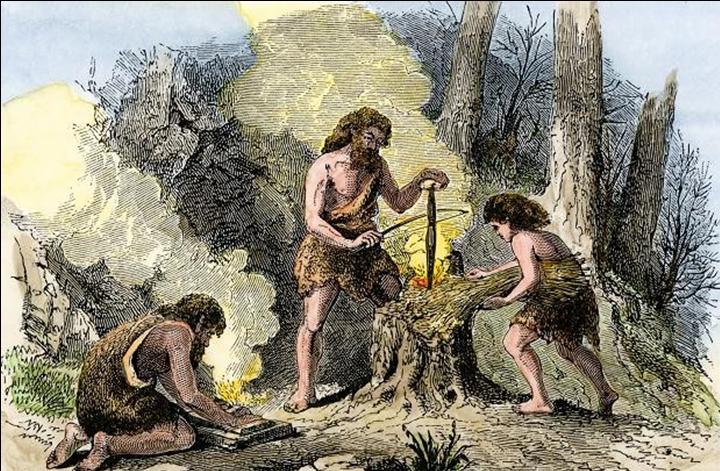
500,000 B.C. – Man drops his food in the bonfire and discover cooking. Later, he invents the grill of stone; skewers small pieces of food and holds them over the fire for a barbecue; wraps food in leaves and cooks them in hot ashes to make a stew.
18,000 B.C. – Middle Easterners domesticate and breed sheep, deer and antelope for food.
8,000 B.C. – Ancient Egyptians use stone rollers to crush and grind grain into meal, eventually creating flour.
7,000 B.C. – Middle Eastern farmers cultivate the soil with sticks.
6,000 B.C. – Dried and smoke meats and other foods are developed in Europe and elsewhere.
5,000 B.C. – The Chinese, Romans and Greeks domesticate pigs.
4,000 B.C. – Dairy farming develops into a major enterprise in the Middle East. The Sumerians learn to make butter by churning milk. The Egyptians master viticulture and the art of wine making.
3,000 B.C. – The Egyptians invent irrigation by redirecting water from the Nile River into their fields. Across the world Peruvians select and grown potatoes on a large-scale basis.
2,500 B.C. – The Egyptians domesticate geese, force feeding them to make bigger and better – tasting when cooked.
2,000 B.C. – The first bread, wine, cheese and beer appear on the menu when Egyptians and Sumerians learn fermentation, baking, brewing and cheese making.
500 B.C. – Mediterranean people first marinate food by soaking fish in salty solution, leaving them under the sun until they ferment, finally producing a strong smelling liquid. At about the same time, people across Europe master the preservative technique of salting, curing and picking. Salt thus become a major commodity in international trading.
300 B.C. – The Greeks develop grafting techniques, increasing fruit harvests in orchards and groves.
1,000 years A.D. – European farmers use oxen to pull plows, allowing more land to be tilled more efficiently.
1276 – The first whiskey is commercially distilled in Ireland.
1400 – Modern candy is created in Europe when cooks dips fruits and berries into melted sugar.
1500s – Foods such as sauerkraut and yoghurt are created by acidic cooking techniques.
1776 – Flour milling becomes the first modern food industry with the invention of the steam driven mill in London.
1830 – The modern distillery dramatically advances the production of brandy.
1850s – Softdrinks are invented in the United States. In London, the Perkins steam heated oven finally allows bakers to control temperature; it revolutionizes baking.
1861 – Louis Pasteur develops pasteurization, in which he protects food by heating it to kill dangerous microbes, removing the air and sealing it in a container, Hence, today’s pasteurized milk and juices.
1906 – modern freeze-drying techniques are mastered in France.
1913 – The first home refrigerators are invented in the United States.
1920 – American Charles Birdseye invents the process of deep-freezing foods.
1937 – The Swiss invent instant coffee, which leads to the development of powdered food products.
1940 – New technology uses microwaves to make food molecules vibrate, create friction and heat, and thus cook food. This leads to the invention of microwave oven.
The next time you pop that dish into the microwave, or stove that leftover in the fridge, or pick out a bottle of coffee, a can of milk, a bag of chocolate, a pack of noodles, from the supermarket shelves, spare a thought for all the brilliant minds and the hapless ancients who came before. After all, without them, what would we be eating tonight?






Add Comment